


New York City Employment Recovery Complete, but Uneven across Industries
Khaled Eltokhy and James Orr
January 20, 2025
New York City employment has finally returned to its pre-pandemic level, led by healthcare, professional services, and finance. Yet the recovery remains uneven as retail and hospitality lag amid remote work and shifting consumer patterns. With population changes, office attendance still below normal, and new policy uncertainties ahead, job growth is expected to slow but remain positive.

New York’s Employment Recovery: Almost There but Virus Effects Linger, New Issues Emerge
Gillian Fuchs and James Orr
January 31, 2024
Nearly four years after the pandemic shock, New York City employment has returned close to its pre-Covid peak, driven by healthcare, professional services, and finance. The recovery, however, remains uneven as retail trade lags amid remote work and shifting consumer behavior. Falling unemployment masks a smaller workforce, while asylum-related costs add new fiscal pressures.
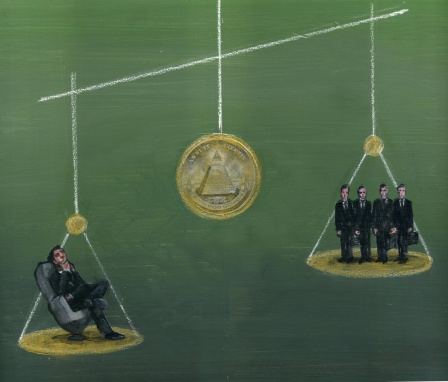
Why 20th Century Tools Cannot Be Used to Address 21st Century Income Inequality
Branko Milanovic
February 16, 2018
The tools that once reduced inequality—strong unions, mass education, and expansive tax-and-transfer systems—no longer deliver the same results in today’s globalized economy. Structural changes in labor markets and politics limit their effectiveness. A more durable response, the argument suggests, lies in reshaping capitalism itself through broader ownership of capital and more equal returns to skills.

Will China Surpass the U.S. to Become the Number One Economic Power?
Hengzhong Liu
June 18, 2022
China is likely to surpass the United States in GDP size within the next decade despite deglobalization pressures, supported by its vast domestic market, urbanization potential, and high savings. However, economic size alone does not equal economic power. Lower income levels, reliance on imported energy, limited reserve-currency status, and technological gaps mean China is unlikely to overtake the U.S. as the world’s leading economic power in the foreseeable future.
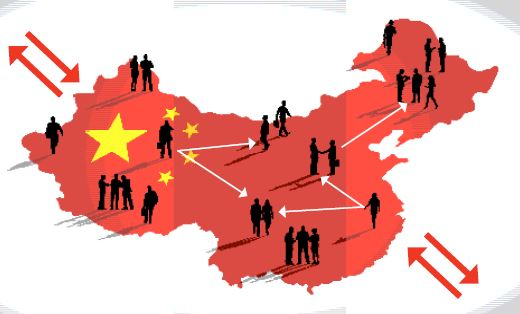
A Primer on Covid-19 and its Impact on the Supply Chains in China
Zhio Xi
April 30, 2021
The Covid-19 pandemic delivered a sharp but temporary shock to China’s supply chains, particularly in electronics, textiles, and other intermediate-goods industries closely tied to global demand. While exports and manufacturing activity initially collapsed, rapid virus containment helped production rebound. The crisis highlighted the need to balance efficiency with resilience, pushing firms and policymakers toward diversification, innovation, and a more quality-driven role for China in global supply chains.

The Pandemic and the Emerging Markets Crisis: How Fragile are the Economies?
Utku Demir and Merih Uctum
June 11, 2020
Emerging market economies have been struck by a rare quadruple shock—pandemic disruption, capital flight, recession, and mounting debt—triggering record outflows and sharp currency depreciations. This article examines why renewed “sudden stops” have resurfaced despite past financial reforms, highlighting reserve adequacy, investor behavior, and public health capacity as key factors shaping default risk and recovery prospects.