

Recent Articles

The Sword of Damocles (Part I): The Precariousness of the Greek Banking System During the Great Sovereign Debt Crisis
Fotios Siokis
February 19, 2019
Despite Greece’s exit from its bailout program, banks remain too weak to support economic growth. Burdened by non-performing loans near 45% of total lending and heavy losses from the sovereign debt restructuring, Greek banks required repeated recapitalizations and consolidation. Although capital ratios improved, lending to the private sector remains constrained.

Melting Snowballs and the Winter of Debt
Paul Krugman
January 31, 2019
The post argues that fears of U.S. public debt are overblown. With interest rates persistently below economic growth, debt does not spiral out of control but tends to shrink relative to GDP. Obsession with austerity after the financial crisis was misguided and reduced needed public investment, ultimately harming long-term economic growth.

Immigrant Entrepreneurship in the United States
Yoshiko Oka
January 10, 2019
The proposed elimination of the International Entrepreneur Rule would worsen the decline in U.S. startup formation. As native-born entrepreneurship falls, immigrants play an increasingly vital role in business creation and innovation. Ending the Rule would remove a key pathway for high-potential foreign entrepreneurs, further reducing startups, job growth, and competitive pressure in the U.S. economy.
The Credit Crunch and the Great Recession
Paul Krugman
December 08, 2018
Reassessments of the Great Recession suggest that the housing bust, rather than financial panic, explains the depth and persistence of the downturn. Although turmoil in 2008 intensified the pace of decline, falling home prices, reduced investment, and weakened consumer demand account for most of the prolonged economic damage, underscoring the limits of explanations centered primarily on finance.

Argentina’s Latest Crisis
Meng-Ting Chen and Joseph van der Naald
November 16, 2018
After a sharp peso collapse, soaring inflation, and interest rates near 60 percent, Argentina entered a familiar crisis pattern. Heavy dollar-denominated debt, chronic deficits, and fragile investor confidence left the economy exposed as global conditions tightened. An IMF bailout and tough fiscal and monetary measures have stabilized markets for now, but recession risks and external pressures continue.

Why is New York Job Growth Slowing?
Fadime Demiralp and James Orr
October 31, 2018
Job growth in New York City and State has continued to cool from its earlier post-recovery highs, slipping below the national pace in 2018. Slower gains in large sectors like healthcare and leisure, declines in others, and uneven regional performance are weighing on overall employment. Growth is expected to persist, but at a more moderate rate amid national and local uncertainties.
The Turkish Currency and Debt Crises
Merih Uctum and Zhuo Xi
September 22, 2018
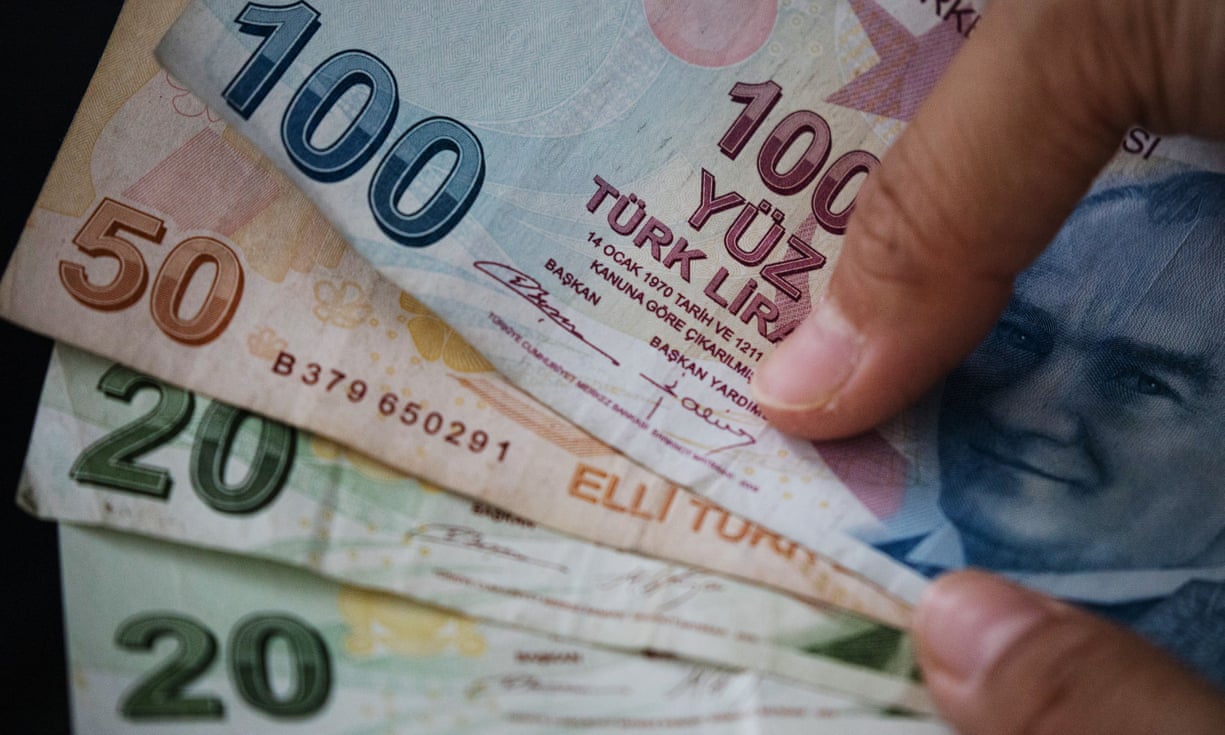
The sharp collapse of Turkey’s lira in August exposed vulnerabilities beneath years of strong growth. Heavy private-sector foreign borrowing, rising global interest rates, and political tensions triggered a classic emerging-market currency crisis. Surging inflation, mounting debt burdens, and wavering confidence now threaten growth, raising concerns about contagion to other economies and to international banks.
A Primer on Real Versus Nominal
Harvey Gram
July 22, 2018
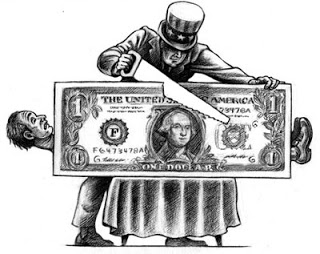
Behind headline growth figures lies a fundamental measurement challenge: separating real economic expansion from rising prices. Different price indexes weigh spending shifts and quality change in distinct ways, shaping how inflation and growth are recorded. Small biases in inflation estimates can translate into large misreadings of real growth—an issue with economic and political consequences.