

A Primer on Real Versus Nominal
Harvey Gram
July 22, 2018
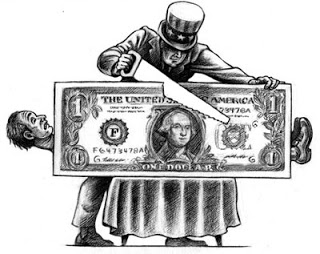
Behind headline growth figures lies a fundamental measurement challenge: separating real economic expansion from rising prices. Different price indexes weigh spending shifts and quality change in distinct ways, shaping how inflation and growth are recorded. Small biases in inflation estimates can translate into large misreadings of real growth—an issue with economic and political consequences.

A Primer on Stocks and Flows (Part 2)
Harvey Gram
June 06, 2018
Debates over government debt often blur rhetoric with economics. Debt and deficits are not inherently burdens, but financing choices that must be weighed against the benefits they support. Focusing on stocks versus flows, debt service rather than headline ratios, and the accounting links between deficits and surpluses clarifies why rising debt need not signal crisis—and why careful measurement matters for sound policy.

A Primer on Stocks and Flows (Part 1)
Harvey Gram
May 18, 2018
Clear economic thinking begins with the distinction between stocks and flows. Income, saving, deficits, and trade balances only make sense when time is explicit, while wealth, debt, and assets are measured at a point in time. Applying this framework—from households to national accounts—clarifies debates over deficits, foreign ownership, and sectoral balances, and dispels common misconceptions about borrowing and sustainability.

A Primer on Exchange Traded Funds: Costs and Benefits
Ernesto Garcia
April 30, 2018
ETFs have transformed investing by offering low-cost, diversified exposure traded like stocks throughout the day. Their structure, built on creation and redemption by authorized participants, helps prices track underlying assets. But as ETFs grow larger, active trading and liquidity risks raise concerns that shocks in individual assets could spread more broadly through markets.

How Should We Think About the Effects of Corporate Tax Cuts?
Paul Krugman
February 08, 2018
Claims that recent corporate tax cuts quickly benefit workers rest on a misunderstanding of how tax incidence works. Any wage gains from higher investment would emerge only slowly, while short-run benefits flow mainly to capital owners, including foreign investors. Once lost revenue and higher payments to existing capital are considered, the long-run gains to national income appear small and potentially negative.

A Primer on Rules of Origin in NAFTA Negotiations and What Is Next
Richard J. Nugent III
December 22, 2017
Stalled NAFTA renegotiations have put rules of origin at the center of debate, especially for autos. Tighter content requirements aim to prevent trade deflection but risk disrupting global supply chains. While ROO can protect regional production, more restrictive rules could raise costs, distort trade flows, and threaten the viability of the agreement itself.

A Primer on Brexit
Merih Uctum
December 20, 2016
Britain’s vote to leave the European Union reflects long-standing tensions over sovereignty, regulation, and immigration. A hard Brexit would sever access to the single market, disrupt trade in goods and services, and threaten the City’s financial dominance. While short-term resilience has masked risks, most estimates point to lasting economic costs and heightened uncertainty ahead.