

Recent Articles

How Important is the Finance Sector to the New York City Economy?
James Orr
June 09, 2017
Finance remains central to New York City’s economy despite a long-term decline in its employment share. While the sector employs fewer workers than in the past, it generates roughly 30 percent of citywide earnings, driven largely by the securities industry’s high wages and volatile bonus income. Ongoing challenges—including regulation, technological change, macroeconomic risk, and competition from other financial centers—will shape the sector’s future role in the city’s growth.
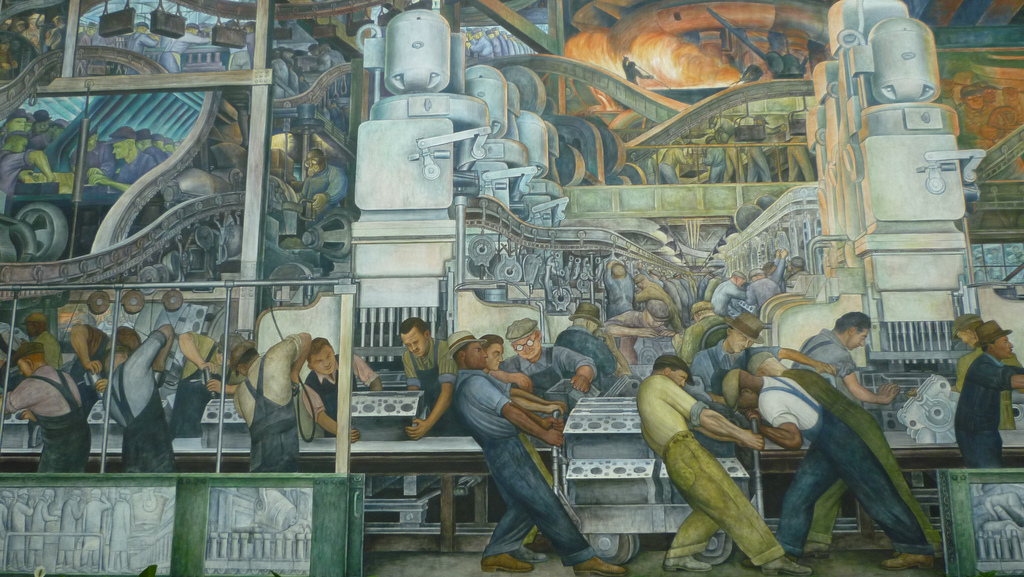
El Super Clasico: Trade and Technology Duke it out at CUNY
Branko Milanovic
April 27, 2017
A high-profile CUNY panel revisited the debate over whether trade or technology has driven U.S. job and wage losses. While panelists differed on emphasis, they broadly agreed that China’s WTO entry delivered a large, one-time trade shock that amplified labor market disruptions, that economists underestimated trade’s concentrated costs, and that reversing globalization would be far more damaging than its initial effects. The discussion converged on a nuanced view: both trade and technology matter, but the China shock is unlikely to be repeated.

The New York City Labor Market: Recent Developments
James Orr
April 04 / Revised April 09, 2017
Revised data show New York City added more than 90,000 jobs in 2016, outpacing both the state and the nation. The city’s post-2010 expansion reflects sustained strength beyond finance, rapid population gains, and stable labor force participation. Yet unemployment and broader underutilization remain elevated, and forecasts point to slower—though still positive—job growth ahead.

Two Theses on Health Policy
Paul Krugman
January 10 / March 7, 2017
Republicans’ struggle to replace Obamacare reflects a basic policy reality they long ignored. Universal coverage through private insurers requires regulation, mandates, and subsidies; weaken any leg and the system fails. The proposed replacement largely accepts this logic but dilutes its pillars, risking higher premiums, market collapse, and the loss of coverage for millions.

Learning about Tax Policy: Business Losses and Corporate Form
Timothy Goodspeed
January 06, 2017
The disclosure of Donald Trump’s 1995 tax losses revived basic questions about how the U.S. tax system works. Rules allowing firms to carry losses across years and pass them through to personal returns are rooted in investment timing and efforts to avoid double taxation. Yet the growing use of pass-through entities also raises concerns about equity and tax avoidance.

A Primer on Brexit
Merih Uctum
December 20, 2016
Britain’s vote to leave the European Union reflects long-standing tensions over sovereignty, regulation, and immigration. A hard Brexit would sever access to the single market, disrupt trade in goods and services, and threaten the City’s financial dominance. While short-term resilience has masked risks, most estimates point to lasting economic costs and heightened uncertainty ahead.

New York Labor Market Developments
James Orr
December 21, 2016
Employment trends in the current expansion reveal a growing divide between New York City, New York State, and the nation. The city has led job growth since 2010, supported by rapid population gains and rising labor force participation, even as growth elsewhere lagged. Still, higher unemployment and underemployment suggest the recovery’s benefits remain uneven.