

Recent Articles
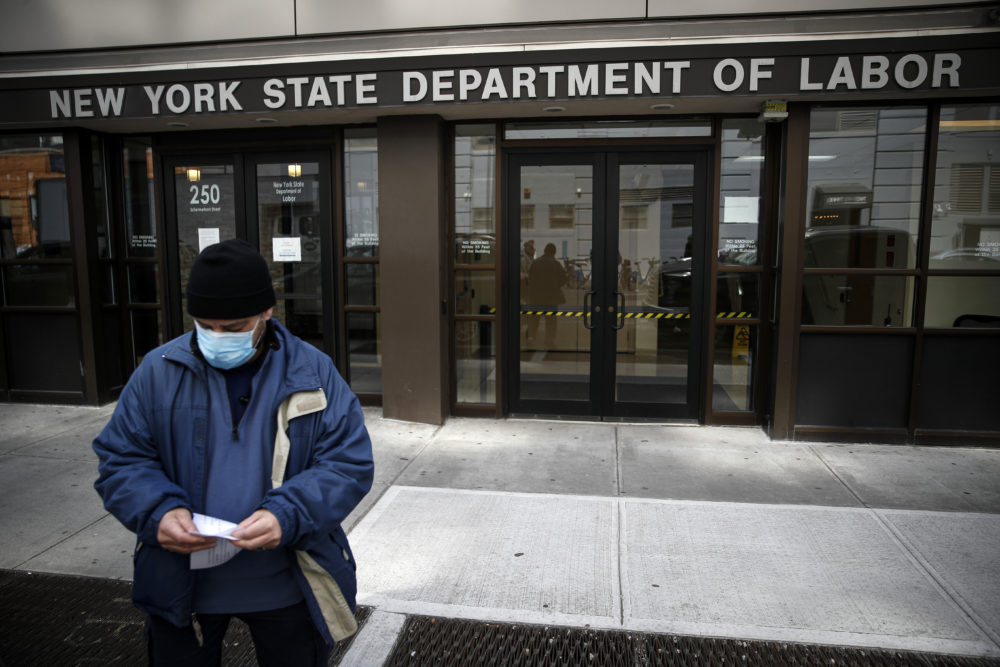
New York’s Economy Trying to Heal From the COVID-19 Crisis
Fadime Demiralp and James Orr
October 31, 2020
New York City’s economy was battered by the pandemic, with employment plunging far more sharply than in prior downturns. Although job gains rebounded quickly after the spring lockdowns, the recovery has slowed and remains uneven across industries. Lingering health risks, reduced tourism, and remote work threaten a full return to pre-COVID employment levels.
The Fed’s enlarged balance sheet: The Expanding Importance of Bank Reserves (Part II)
Fotis Siokis
September 30, 2020
The Federal Reserve’s pandemic response has entrenched a new monetary policy regime built around an expanded balance sheet and abundant reserves. With traditional rate tools weakened, administered rates now anchor short-term markets. While this framework enhances control and stability, it also blurs lines between monetary and fiscal policy, raising long-term questions about market functioning and central bank independence.
The Federal Reserve and its balance sheet: A Herculean task in mitigating the economic effects of the coronavirus pandemic (Part I)
Fotis Siokis
July 30, 2020
The COVID-19 shock triggered a rapid collapse in economic activity and severe financial market stress, prompting the Federal Reserve to deploy an unprecedented mix of conventional and unconventional tools. This article reviews the Fed’s emergency rate cuts, large-scale asset purchases, and new liquidity facilities, and discusses how the resulting expansion of the balance sheet reshapes the challenges facing U.S. monetary policy.
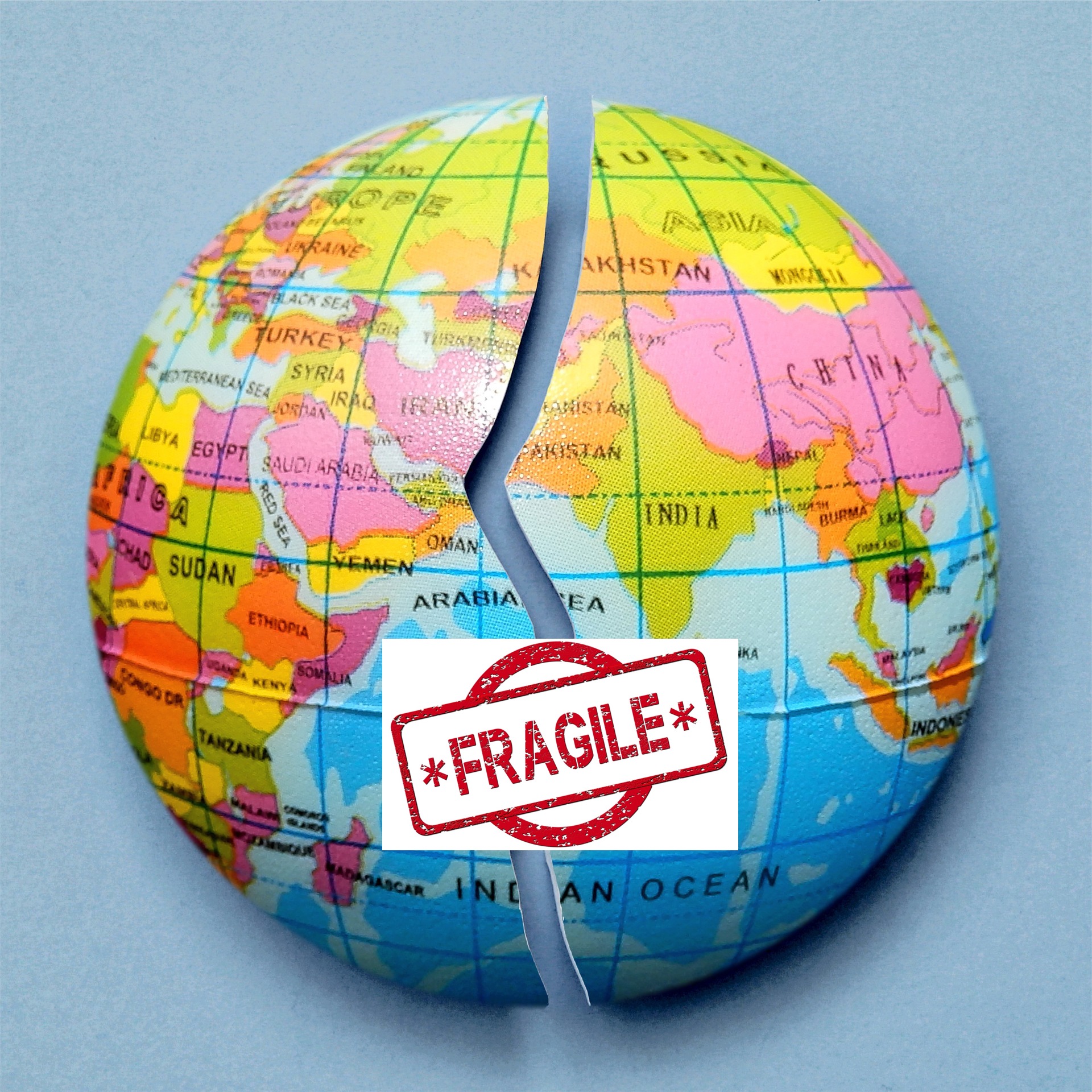
The Pandemic and the Emerging Markets Crisis: How Fragile are the Economies?
Utku Demir and Merih Uctum
June 11, 2020
Emerging market economies have been struck by a rare quadruple shock—pandemic disruption, capital flight, recession, and mounting debt—triggering record outflows and sharp currency depreciations. This article examines why renewed “sudden stops” have resurfaced despite past financial reforms, highlighting reserve adequacy, investor behavior, and public health capacity as key factors shaping default risk and recovery prospects.
The New York Economy Amid the Coronavirus Crisis
James Orr and Zhuo Xi
April 26, 2020
The coronavirus crisis delivered an unprecedented shock to New York’s economy, with mass job losses and historic unemployment claims following statewide shutdowns. Drawing lessons from 9/11, the Great Recession, and Hurricane Katrina, this article argues that recovery will depend on federal support, local economic resilience, and medical progress, and may prove deeper and longer-lasting than past crises.
The Opioid Crisis in the New York Area: A First Look
Robert Utzinger
February 17, 2020
Deaths from suicide, alcohol, and drug overdoses have risen sharply in the United States since 2000, driven largely by opioid misuse. Examining New York and neighboring states, this article links higher mortality rates to economic stress, showing that lower minimum wages, higher unemployment, and poverty are associated with more deaths of despair, lending support to the Case–Deaton framework.
New York City Jobs Up but Growth Moderates Through the Third Quarter 2019
Meng-Ting Chen and James Orr
December 29, 2019
New York City employment continued to expand through the third quarter of 2019, with jobs up 1.6% over a year earlier—above the national rate and far stronger than statewide growth. Healthcare, information, and professional services drove gains, while finance and manufacturing declined. Job growth is expected to slow modestly in 2020 amid national and local risks.

Lessons from Taiwan’s Healthcare Reform
William B. Thorne
November 27, 2019
Taiwan’s 1995 shift to a single-payer National Health Insurance system dramatically expanded coverage and reduced costs. Using a synthetic control method, this post shows that Taiwan’s life expectancy rose significantly faster than comparable countries after reform, suggesting the overhaul produced real health gains and offers lessons for U.S. healthcare reform.