

Recent Articles

Covid-19 in New York City: The Pandemic Unequally Impacts New Yorkers in Health and Employment
Fotis Siokis
January 7, 2022
The COVID-19 pandemic exposed and intensified deep health and economic inequalities in New York City. Low-income communities and people of color suffered higher infection and death rates, lower access to healthcare, and disproportionate job and income losses. While vaccination and policy support eased some impacts, disparities in health outcomes and economic recovery remain a central challenge.

New York’s Ongoing Employment Recovery from the Pandemic
James Orr
December 13, 2021
Employment in New York State and New York City continues to recover from the COVID-19 shock, supported by vaccinations, eased restrictions, and national economic growth, but job levels remain below pre-pandemic peaks. As of October 2021, employment was still down 8 percent statewide and 10 percent in the city, with stronger rebounds in office-based and tech sectors.

The State of the Recovery in Public Sector Jobs, Part One
Joseph van der Naald
August 25, 2021
Public-sector employment has lagged far behind the private-sector recovery since the onset of the COVID-19 pandemic. State and local governments shed roughly 1.5 million jobs in early 2020, and by mid-2021 only about half had returned. Persistent revenue shortfalls, especially in education and local government services, have slowed the rebound, with important implications for economic growth, public services, and racial and gender equity.
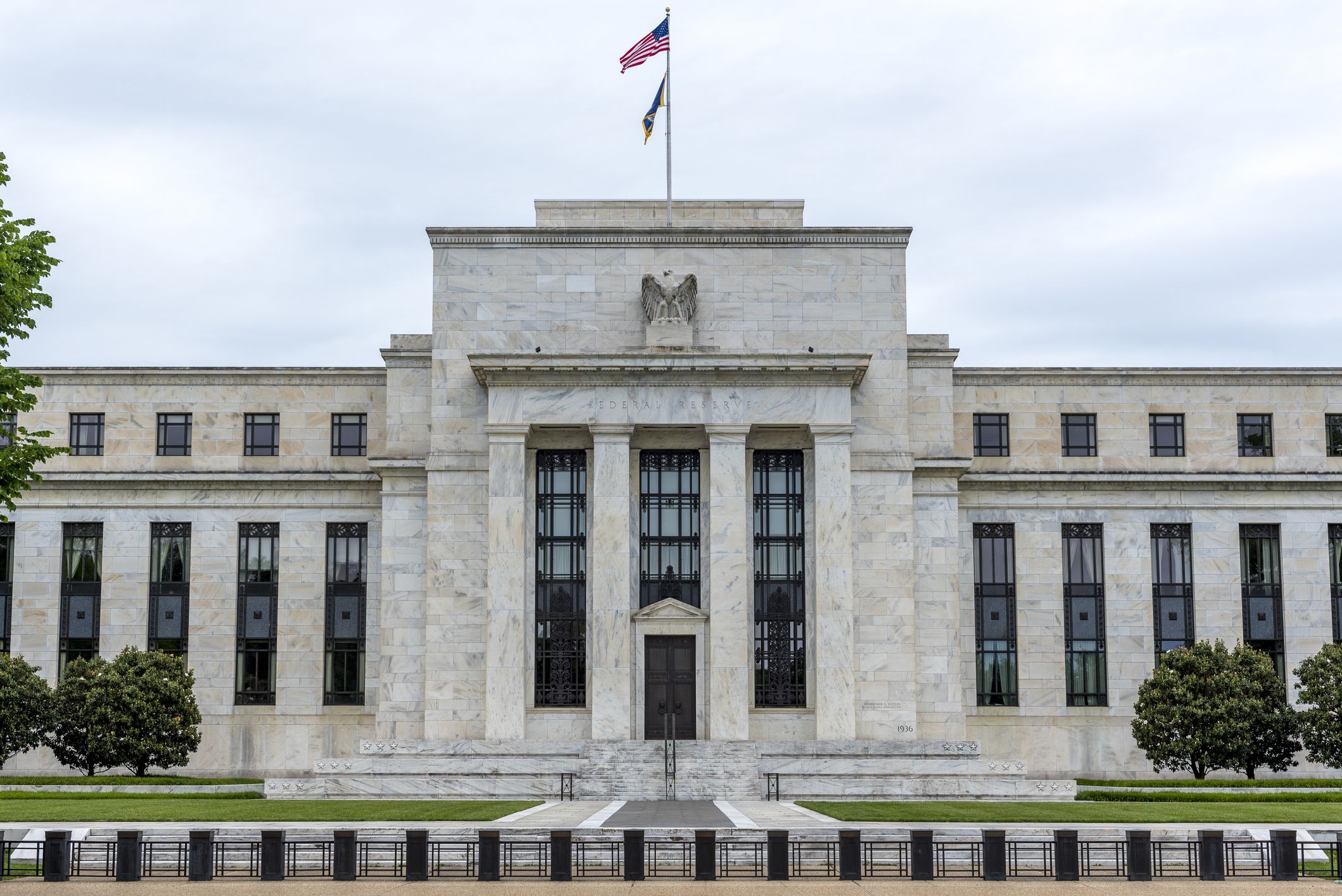
The Beginning of a new chapter as Inflation and economic growth take center stage: The Fed and the two faces of Janus
Fotis Siokis
July 30, 2021
As the U.S. economy rebounds from the pandemic, the Federal Reserve faces a difficult tradeoff between supporting a still-incomplete labor market recovery and responding to rising inflation. While recent price pressures have intensified, the Fed views them as largely transitory and remains committed to an accommodative stance. The timing of tapering asset purchases and eventual rate hikes will depend on progress toward maximum employment and inflation averaging 2%.
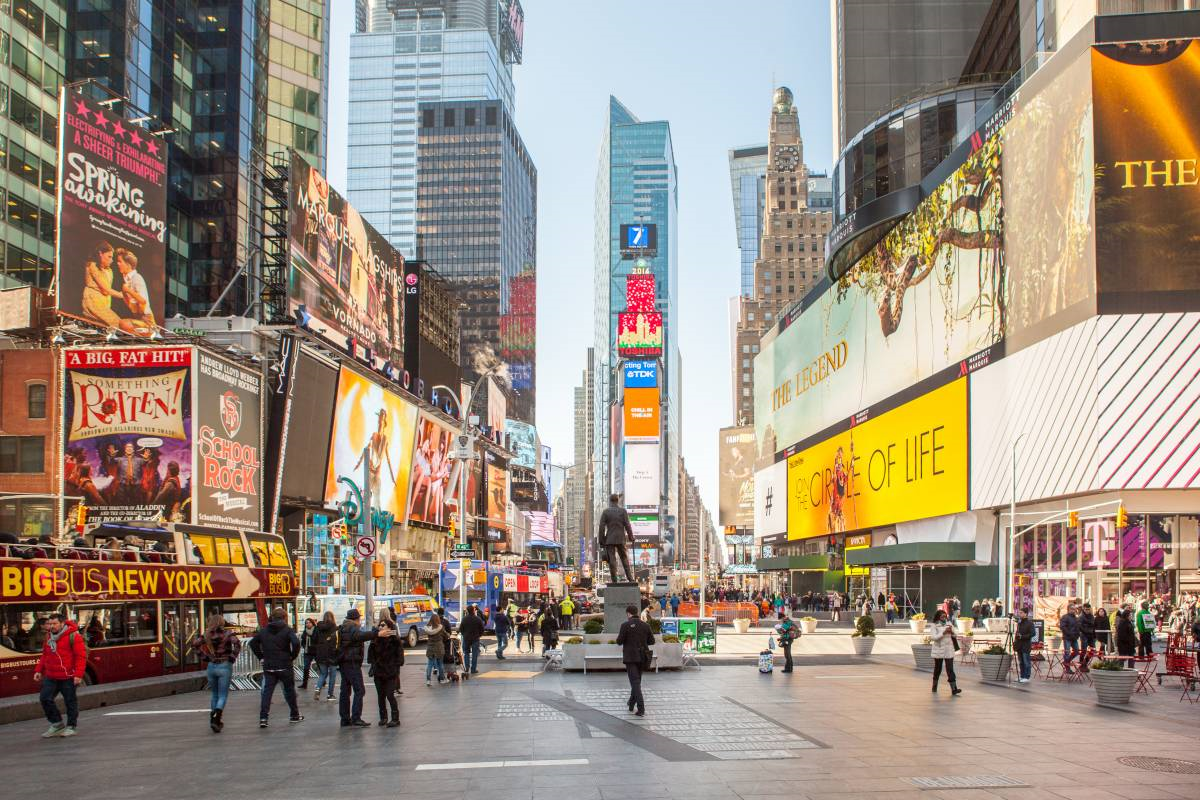
New York’s Recovery from COVID-19: Gaining Ground but a Ways to Go
Fadime Demiralp and James Orr
May 17, 2021
New York’s labor market continues to recover from the pandemic shock, supported by vaccinations, easing restrictions, large federal fiscal programs, and accommodative monetary policy. Job gains have resumed but remain uneven, with employment in hard-hit service industries still well below pre-pandemic levels. The pace of recovery will depend on public health developments, sustained demand for travel and city activities, and the durability of federal support.
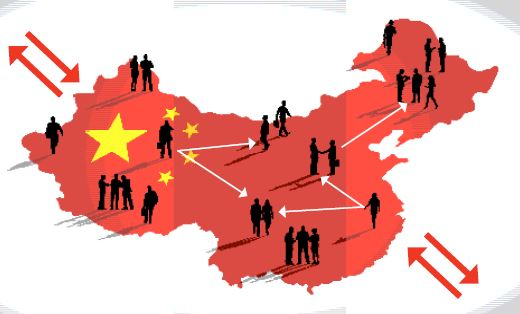
A Primer on Covid-19 and its Impact on the Supply Chains in China
Zhio Xi
April 30, 2021
The Covid-19 pandemic delivered a sharp but temporary shock to China’s supply chains, particularly in electronics, textiles, and other intermediate-goods industries closely tied to global demand. While exports and manufacturing activity initially collapsed, rapid virus containment helped production rebound. The crisis highlighted the need to balance efficiency with resilience, pushing firms and policymakers toward diversification, innovation, and a more quality-driven role for China in global supply chains.

A Look at the New York State Budget
James Orr and Merih Uctum
February 10, 2021
New York’s FY 2022 executive budget reveals sizable pandemic-driven revenue gaps and difficult trade-offs ahead. Projections point to a $15 billion shortfall over two years, to be closed through a mix of spending cuts, tax increases, and hoped-for federal aid. The outlook hinges on economic recovery, virus control, and whether Washington delivers substantial, unrestricted support.
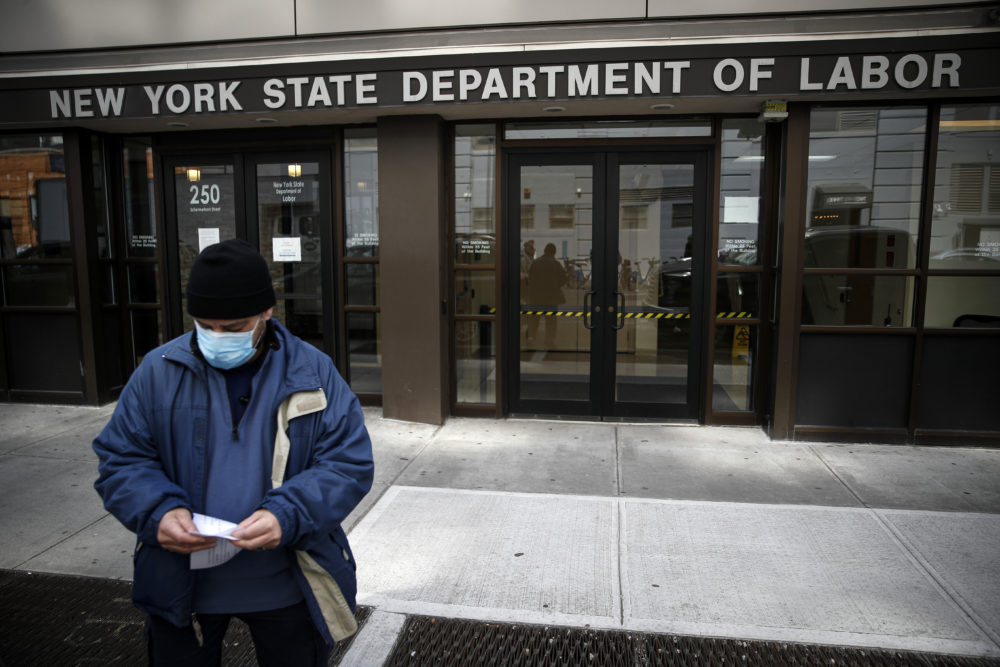
New York’s Economy Trying to Heal From the COVID-19 Crisis
Fadime Demiralp and James Orr
October 31, 2020
New York City’s economy was battered by the pandemic, with employment plunging far more sharply than in prior downturns. Although job gains rebounded quickly after the spring lockdowns, the recovery has slowed and remains uneven across industries. Lingering health risks, reduced tourism, and remote work threaten a full return to pre-COVID employment levels.